The water that made your heater scale is the same water that will eventually kill it — unless you descale. In hard-water areas, minerals don't just stain your glass; they slowly coat the heating element inside your tankless water heater. A thin layer of scale acts like insulation: the element works harder, the water gets less hot, and the unit works less efficiently. The good news? Regular descaling is simple, cheap, and something you can mostly do yourself. Here is what hard water does, how often to act, and exactly how to descale a tankless water heater step by step.
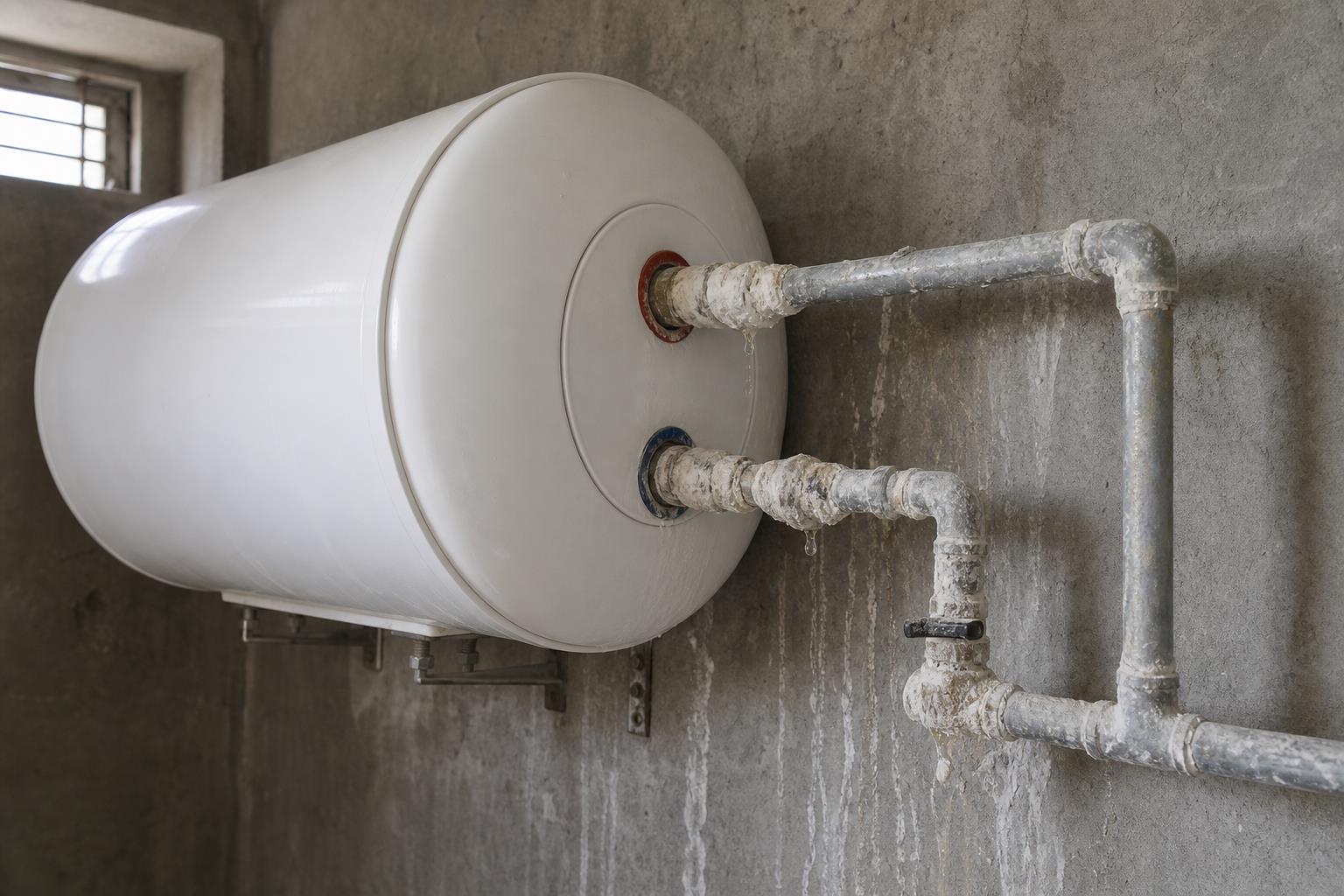
Hard water carries dissolved calcium and magnesium. When water is heated fast — which is exactly what an instant heater does — those minerals precipitate and form scale on the hottest surface in the unit: the heating element.
Over time, scale buildup shows up as warning signs you can actually notice:
Scale also forces the element to run hotter internally, which can shorten its service life. That is why water quality deserves as much attention as the heater itself.
Recommendation: if your water leaves white spots on fixtures, treat descaling as routine maintenance — not an emergency fix.
There is no universal number, because hardness varies wildly by region. The honest answer: descale on a schedule that matches your water.
You can also watch your own heater instead of the calendar. If outlet temperature drifts down, if the flow seems weaker, or if the display shows an error you have never seen — scale is one of the first suspects.
Recommendation: start with the interval in your manual, then shorten it if you see symptoms. When in doubt, descale — it does no harm if done correctly.
Descaling circulates a mild acid solution through the water path to dissolve the scale, then flushes it out. Most manufacturers recommend food-grade citric acid or white vinegar; always follow your unit's manual for the right solution strength and flow rate.
Safety first: turn off the power at the breaker and close the water supply before touching anything. If you are not comfortable working with the unit's connections, or local rules require it, hire a licensed professional — descaling is simple, but doing it wrong can damage the heater or void its warranty.
The whole job usually fits into an afternoon, and most of the time is just the solution sitting and working.
Recommendation: buy a small descaling pump kit — it pays for itself the first time it saves you an expensive service call.
Descaling removes scale. Prevention slows it down, so the two work together.
Recommendation: think of descaling as the cure and water treatment as the prevention — most homes need a bit of both.
Hard water is exactly the scenario Anlabeier designs for. As the instant electric water heater brand of Zhongshan Chongde Electric Co., Ltd. (est. 2010, Zhongshan, Guangdong), Anlabeier builds its heating elements in stainless steel and cast aluminum — materials that resist the corrosion and pitting that aggressive water causes in bare copper. Every unit also carries ELCB leakage protection, dry-heating cutoff, overheat protection, and an IPX4-rated casing, with third-party certifications including CE, CB, CCC, ETL, and RoHS behind 120+ patents. In practical terms, that means a heater that takes hard water in stride — and needs less descaling over its life. Pair that with a simple maintenance routine, and your tankless unit keeps delivering for years.
Hard water is not a reason to avoid a tankless water heater — it is a reason to own a maintenance habit. Descale on a schedule that matches your water, flush properly, and pick a unit with hard-water-ready materials. Do that, and the minerals that quietly shorten other heaters' lives become just another chore you handle in an afternoon.
Can I descale my tankless water heater myself?
In most cases yes, using a descaling pump and the solution your manual recommends. Turn off power and water first, and if you are unsure about any connection, hire a licensed professional.
How do I know if my tankless heater has scale?
Typical signs include slower heating, unstable outlet temperature, reduced flow, and rising energy use. In hard-water areas, schedule descaling before symptoms appear.
Does vinegar work for descaling?
White vinegar and food-grade citric acid are both commonly recommended. Follow your manufacturer's instructions for strength and dwell time — never mix chemicals or improvise with stronger acids.



Scan to wechat


 español
 English
 हिन्दी