Global energy prices have been rising again since March 2026.
In the UK, electricity prices jumped 13% in July and are expected to stay high — with another increase predicted for October. Household energy debt there is at a record high, and the new government has moved to cut electricity taxes just to soften the blow.
The same pressures are echoing across markets worldwide.
When every kilowatt-hour costs more, the way you heat water matters more than ever. Because water heating is one of the biggest energy consumers in any home — and it's also one of the easiest to optimize.
Here is why on-demand heating is the single most effective change you can make.
1. What's Actually Happening to Energy Prices
Three recent signals, straight from the news:
Global prices are climbing. Since March 2026, global energy prices have been rising again, according to National Energy Action.
The UK felt it immediately. Electricity prices increased 13% in July 2026, with analysts at Cornwall Insight predicting another rise in October.
Households are stretched. Energy UK reports household energy debt at a record high, prompting the new prime minister to cut electricity VAT in July.
This isn't a one-country story. Rising wholesale costs, tighter supply, and seasonal demand push prices up across regions — and the trend direction is the same almost everywhere: up.
2. Why Water Heating Is the Biggest Target
In a typical home, water heating is the second-largest energy consumer — after space heating, and often ahead of everything else combined.
For electric households, the share is even larger.
The problem: a traditional storage tank keeps 40–50 gallons of water hot 24 hours a day, 365 days a year. Even when nobody uses hot water, the tank keeps cycling to replace standby heat loss.
You are paying today's higher prices to heat water you're not using.
3. How On-Demand Heating Cuts the Blow
A tankless electric water heater changes the equation completely: it heats water only when you open the tap.
Zero standby loss. No tank to keep warm. No energy spent when nobody's showering.
Pay only for what you use. Hot water on demand, then the unit shuts off.
Higher efficiency. The U.S. Department of Energy estimates tankless water heaters are 24–34% more efficient than storage tanks for typical household use (estimate based on DOE methodology).
The efficiency gap doesn't change with prices. But its value does.
When electricity costs 13% more, every kilowatt-hour you don't waste is worth 13% more than it was before. When it rises again in October, the same math applies.
4. The Real-World Difference
Let's do a simple estimate (numbers are indicative, based on typical household usage):
A typical household spends roughly $400–600 per year on water heating electricity (common estimate; varies by region — for reference, U.S. electricity averaged around 15¢/kWh in Washington state as of August 2026, about 28% below the national average).
A 24–34% efficiency advantage saves roughly $100–200 per year on average.
Over 10 years, that's about $1,000–2,000 — and the gap only widens as prices climb.
In markets where electricity is more expensive — or rising faster — the savings are proportionally larger.
5. What to Look For in an Energy-Smart Heater
Not all tankless units are created equal. When energy prices are rising, focus on:
Heating element material. Stainless steel and cast aluminum transfer heat efficiently and resist scale buildup that drags efficiency down over time.
Precise temperature control. A unit that holds a steady output temperature wastes less energy hunting for the right heat level.
Safety protections that don't waste power. ELCB, dry-heating cutoff, and overheat shutdown protect the unit without adding standby consumption.
Certifications. CE, CB, ETL, RoHS — independently verified performance you can trust.
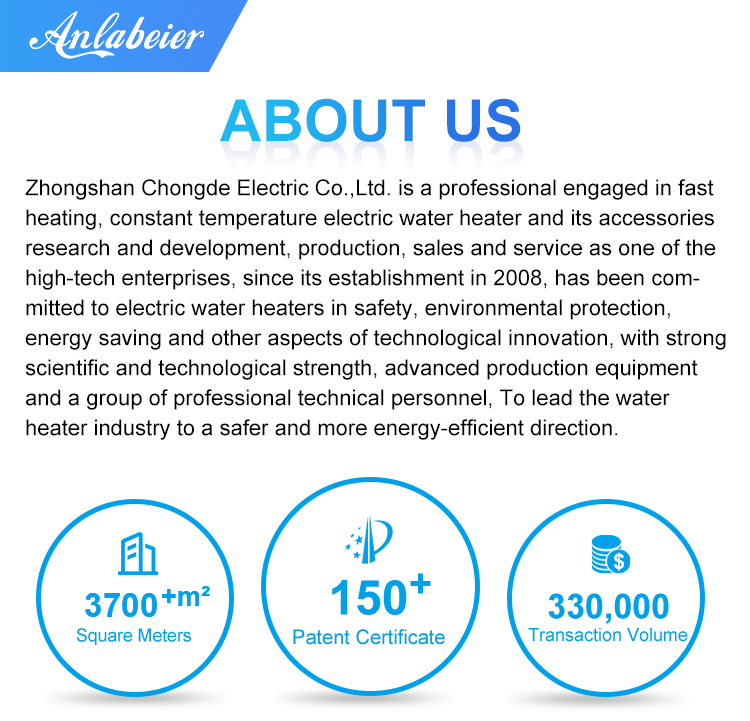
Why Anlabeier Fits the Moment
Anlabeier tankless electric water heaters are built around the same principle this article is about: no heat wasted, no energy spent on standby.
Stainless steel and cast aluminum heating elements keep efficiency high year after year, even in hard-water areas. Built-in ELCB and dry-heating protection run automatically without drawing standby power. And with CE, CB, ETL, and RoHS certifications, every unit delivers verified performance.
When energy prices rise, an Anlabeier doesn't just heat water. It saves you money every single month.
Conclusion
Energy prices are climbing again — in the UK, in the U.S., and across global markets.
You can't control the price per kilowatt-hour. But you can control how many kilowatt-hours you waste.
A tankless electric water heater heats only what you use, wastes nothing on standby, and turns a 13% price hike into a 13% bigger argument for switching.
The meter doesn't care about news cycles. It only cares about what you consume.
Make sure you're not paying to heat water you'll never use.






 español
 English
 हिन्दी